Dario Amodei, CEO of Anthropic, envisions a future where AI systems are not only powerful but also aligned with human values. After leaving OpenAI, Amodei co-founded Anthropic to tackle the safety challenges of AI, aiming to create systems that are both intelligent and ethical. One of the key methods Anthropic employs is “Constitutional AI,” a training approach that instills AI models with a set of core principles derived from universally accepted documents like the United Nations Declaration of Human Rights.
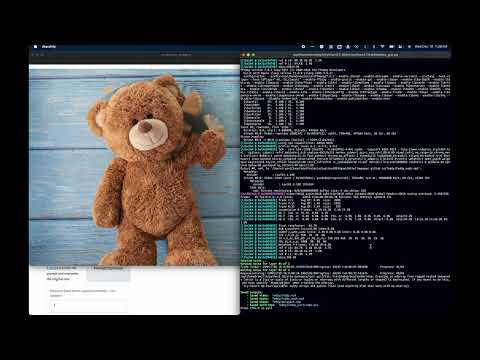
GaiaNet is a decentralized computing infrastructure that enables everyone to create, deploy, scale, and monetize their own AI agents that reflect their styles, values, knowledge, and expertise. It allows individuals and businesses to create AI agents. Each GaiaNet node provides
a web-based chatbot UI.
an OpenAI compatible API. See how to use a GaiaNet node as a drop-in OpenAI replacement in your favorite AI agent app.
This grounding helps increase accuracy and reduce the common issue of AI-generated inaccuracies or “hallucinations.” This technique is commonly known as “Retrieval Augmented Generation”, or RAG.
LARS aims to be the ultimate open-source RAG-centric LLM application. Towards this end, LARS takes the concept of RAG much further by adding detailed citations to every response, supplying you with specific document names, page numbers, text-highlighting, and images relevant to your question, and even presenting a document reader right within the response window. While all the citations are not always present for every response, the idea is to have at least some combination of citations brought up for every RAG response and that’s generally found to be the case.
An open-source Mixture-of-Experts (MoE) code language model that achieves performance comparable to GPT4-Turbo in code-specific tasks. Specifically, DeepSeek-Coder-V2 is further pre-trained from an intermediate checkpoint of DeepSeek-V2 with additional 6 trillion tokens. Through this continued pre-training, DeepSeek-Coder-V2 substantially enhances the coding and mathematical reasoning capabilities of DeepSeek-V2, while maintaining comparable performance in general language tasks. Compared to DeepSeek-Coder-33B, DeepSeek-Coder-V2 demonstrates significant advancements in various aspects of code-related tasks, as well as reasoning and general capabilities. Additionally, DeepSeek-Coder-V2 expands its support for programming languages from 86 to 338, while extending the context length from 16K to 128K.
The new material provides an energy density—the amount that can be squeezed into a given space—of 1,000 watt-hours per liter, which is about 100 times greater than TDK’s current battery in mass production.
TDK has 50 to 60 percent global market share in the small-capacity batteries that power smartphones and is targeting leadership in the medium-capacity market, which includes energy storage devices and larger electronics such as drones.
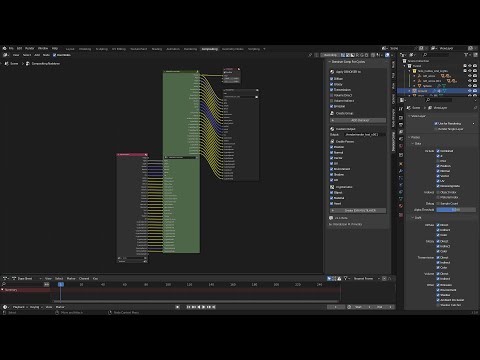
Blender 3 updated Intel® Open Image Denoise to version 1.4.2 which improved many artifacts in render, even separating into passes, but still loses a lot of definition when used in standard mode, DENOISER COMP separates passes and applies denoiser only in the selected passes and generates the final pass (beauty) keeping much more definition as can be seen in the videos.
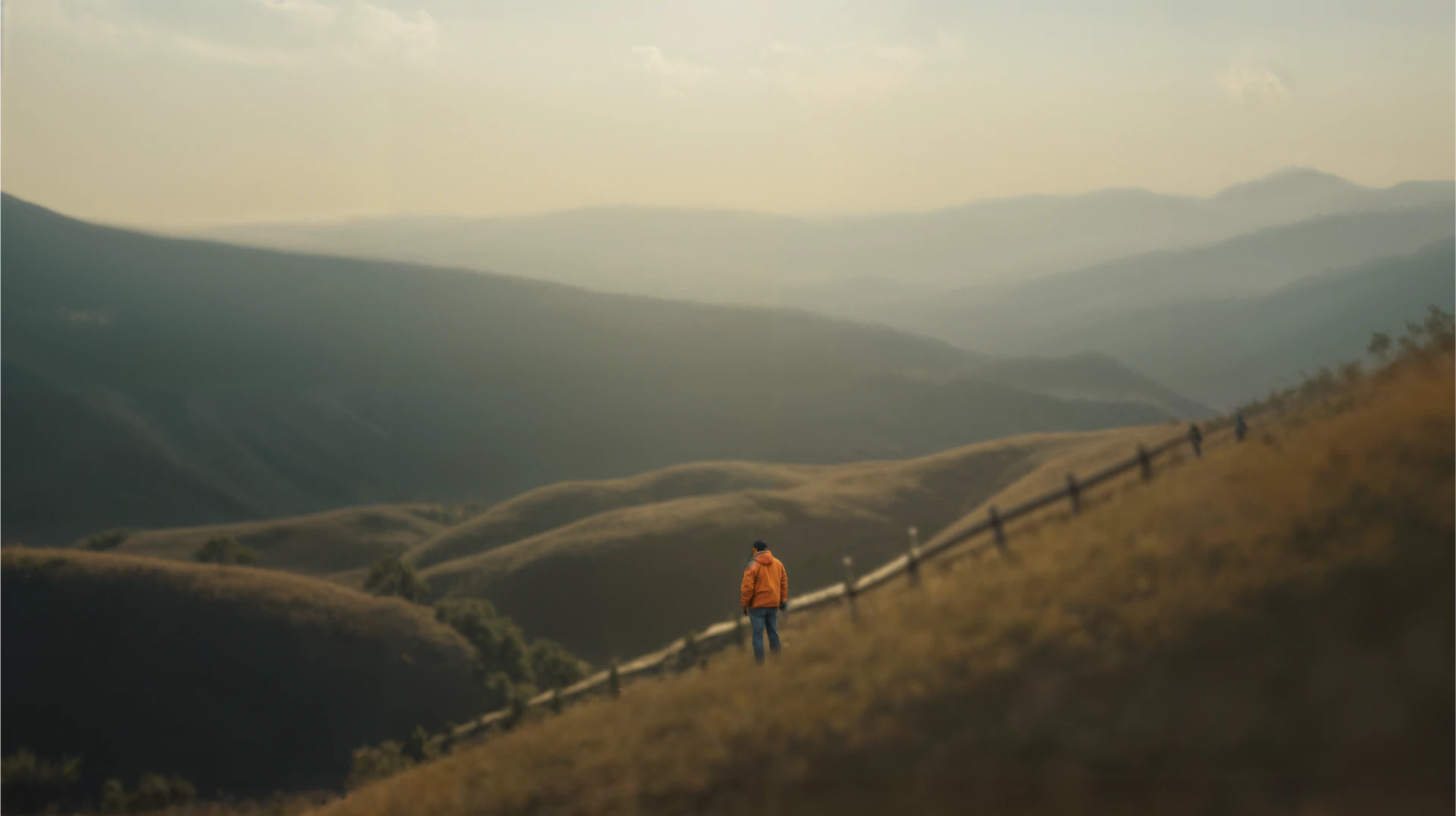
Gen-3 Alpha is the first of an upcoming series of models trained by Runway on a new infrastructure built for large-scale multimodal training. It is a major improvement in fidelity, consistency, and motion over Gen-2, and a step towards building General World Models.
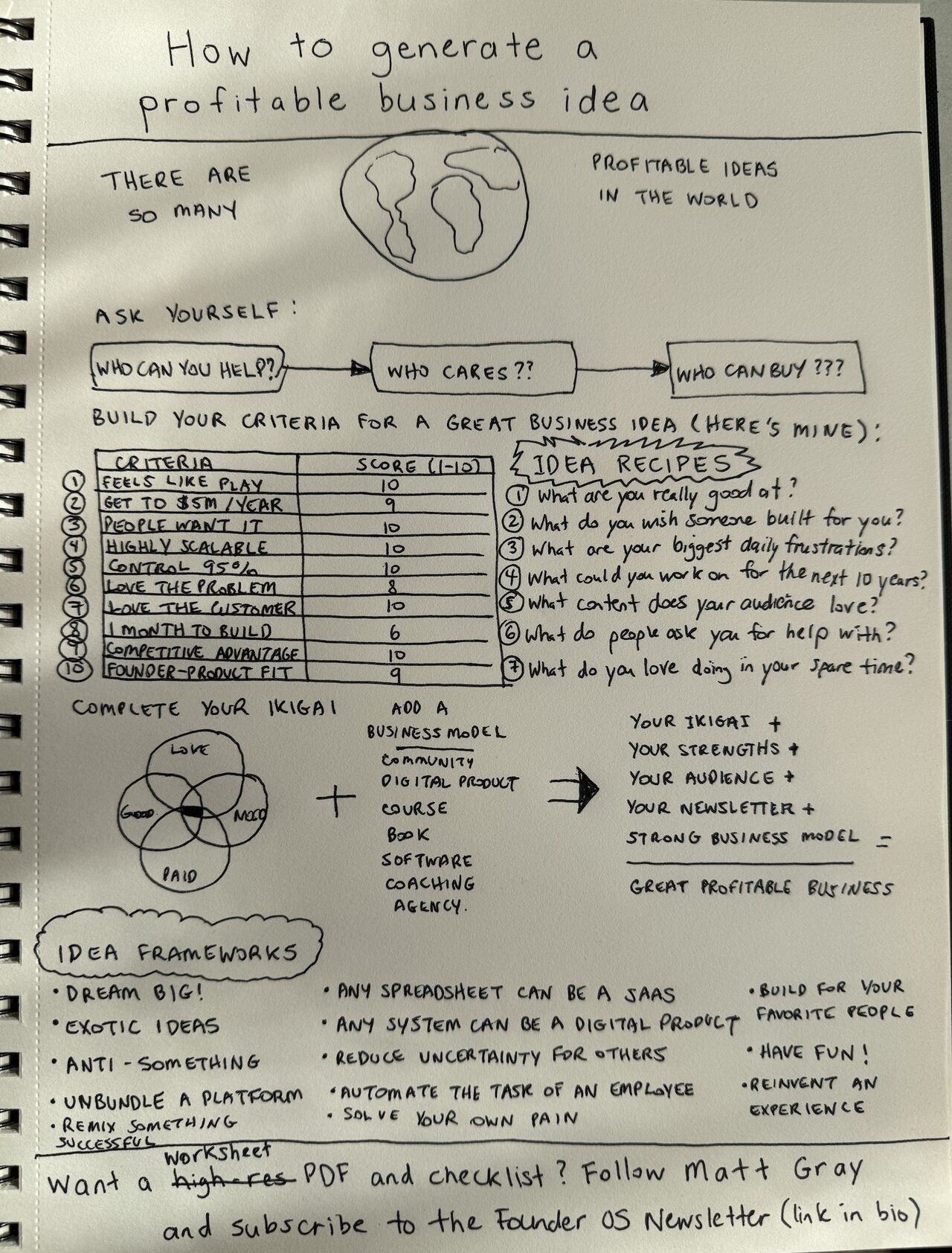
In the last 10 years, over 1,000 people have asked me how to start a business. The truth? They’re all paralyzed by limiting beliefs. What they are and how to break them today:

Before we get into the How, let’s first unpack why people think they can’t start a business.
Here are the biggest reasons I’ve found:
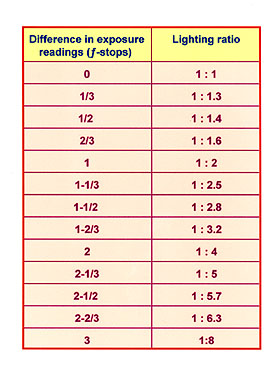
To measure the contrast ratio you will need a light meter. The process starts with you measuring the main source of light, or the key light.
Get a reading from the brightest area on the face of your subject. Then, measure the area lit by the secondary light, or fill light. To make sense of what you have just measured you have to understand that the information you have just gathered is in F-stops, a measure of light. With each additional F-stop, for example going one stop from f/1.4 to f/2.0, you create a doubling of light. The reverse is also true; moving one stop from f/8.0 to f/5.6 results in a halving of the light.
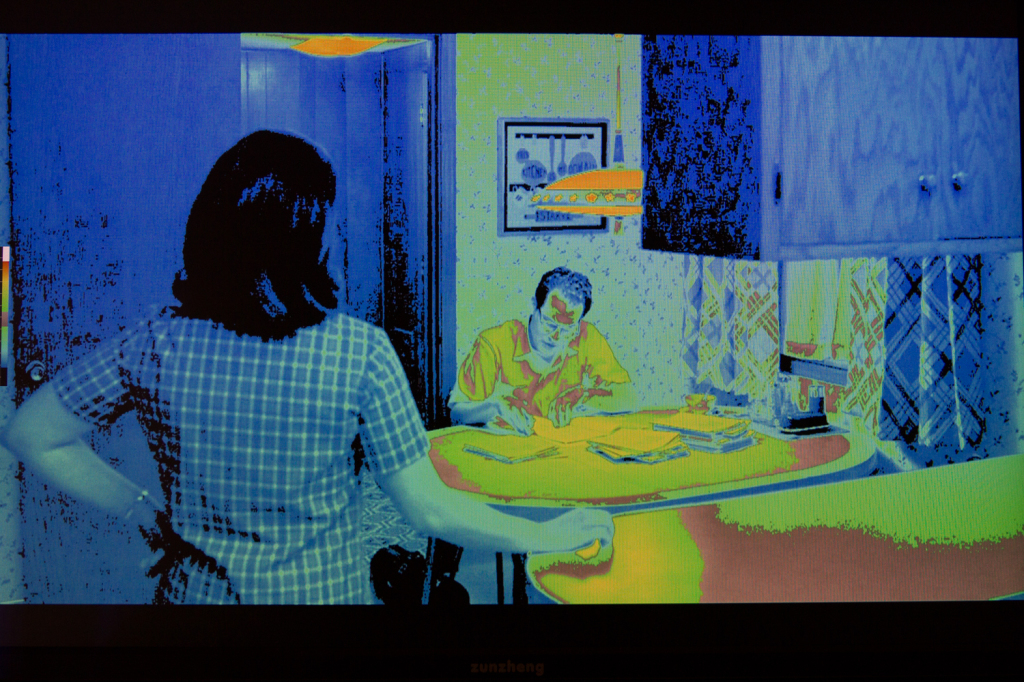
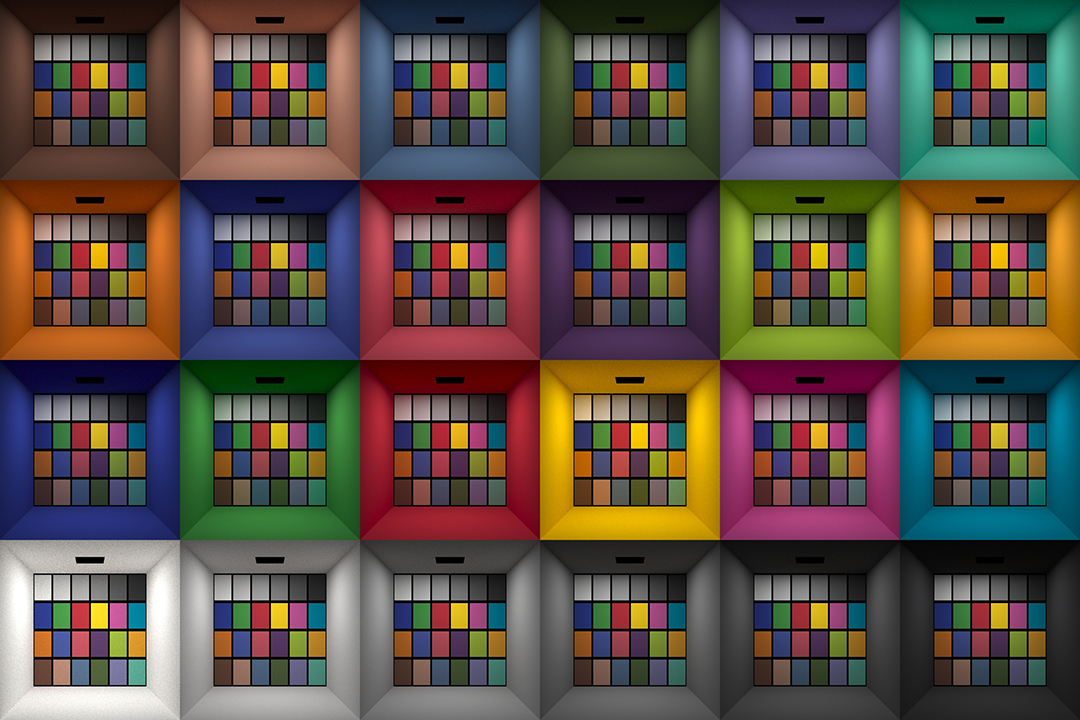
This page compares images rendered in Arnold using spectral rendering and different sets of colourspace primaries: Rec.709, Rec.2020, ACES and DCI-P3. The SPD data for the GretagMacbeth Color Checker are the measurements of Noburu Ohta, taken from Mansencal, Mauderer and Parsons (2014) colour-science.org.